

Making it easier to visit West Seattle Junction & Upper Queen Anne business districts with paid on-street parking, load zones, safer crossings, and more
Blog stats 1,000 words | 5-minute read
Summary:
- We’re proposing a variety of solutions to help people more easily visit and enjoy businesses in the West Seattle Junction and Upper Queen Anne.
- This includes the addition of paid street parking in busiest parts of these two neighborhood business districts, as well as other changes like better load zones, features that make it safer to cross the street, more parking spaces for people with disabilities, and designated bike and scooter share parking.
- The plan is based on our analysis of current conditions, two public surveys, and direct outreach with local businesses and residents in these neighborhoods.
- We expect the changes to make it easier for everyone to visit, regardless of how you travel, while supporting local businesses with more reliable access for deliveries.
- Read on to learn about what’s planned and visit our website for more details:
The bustling West Seattle Junction and Upper Queen Anne neighborhoods are home to two of Seattle’s most beloved business districts with one-of-a-kind restaurants, bars, shops, and destinations. But too often, street parking is hard to find, delivery drivers can’t locate a place to load and unload, and people have a hard time crossing the street when they’re walking or rolling to nearby shops.
To address what we’ve been seeing and hearing on the ground in these business districts, we’re sharing our proposal to make things work better. This includes adding paid street parking to help customers find spots more easily and support the business districts, along with other improvements to make travel safer and more comfortable for everyone in the Junction and Upper Queen Anne.
When streets transform from cluttered and chaotic to organized and predictable, businesses and people thrive. These proposed changes are expected to be implemented in 2027.
“We support SDOT’s updated parking plan and believe it will help keep parking spaces turning over and available throughout the day. Better turnover ultimately benefits both our businesses and the people who come to the Junction.” – Chris Mackay, Executive Director, West Seattle Junction Association
Here’s what you’ll learn in this blog post:
The current situation
Local businesses aren’t just a thread of each neighborhood’s fabric – they’re often the heart and soul of what makes it a fun and special place to be. West Seattle Junction is home to more than 200 businesses – from record stores and pizzerias to grocery stores and a beloved bowling alley. Meanwhile, Upper Queen Anne residents count on their business district for essential products, social connection, and more.
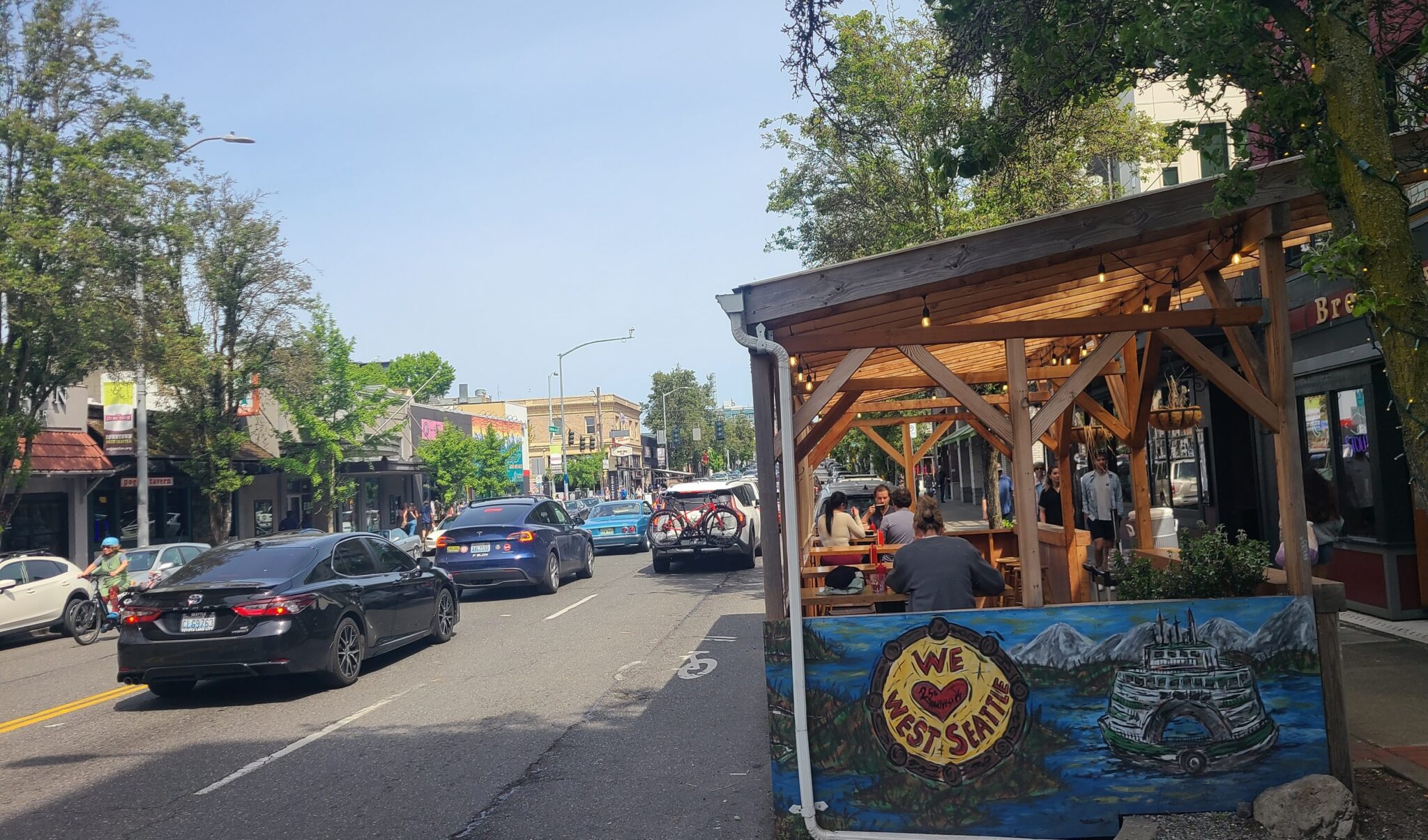
In a growing city like Seattle, there’s a limited amount of street and curb space available for people to park, load and unload, and get where they’re going. When parking is not actively managed, people often resort to driving in circles looking for a spot, which can lead to distraction and sometimes frustration. It also creates extra traffic and makes it harder to comfortably walk, roll, bike, and access transit in the neighborhood.
We’ve talked with local businesses, customers, and residents in Queen Anne and the Junction, and they’ve shared similar concerns about a lack of reliable parking, challenges with loading and deliveries, and a difficult time getting to places like restaurants and shopping destinations. Our recent parking studies in Queen Anne and the Junction confirm with data that these challenges exist.
So, what can we do to make things work better?
Our proposed solutions
We’re proposing changes that will support safer travel and provide more options for everyone to visit and enjoy West Seattle Junction and Upper Queen Anne.
This includes:
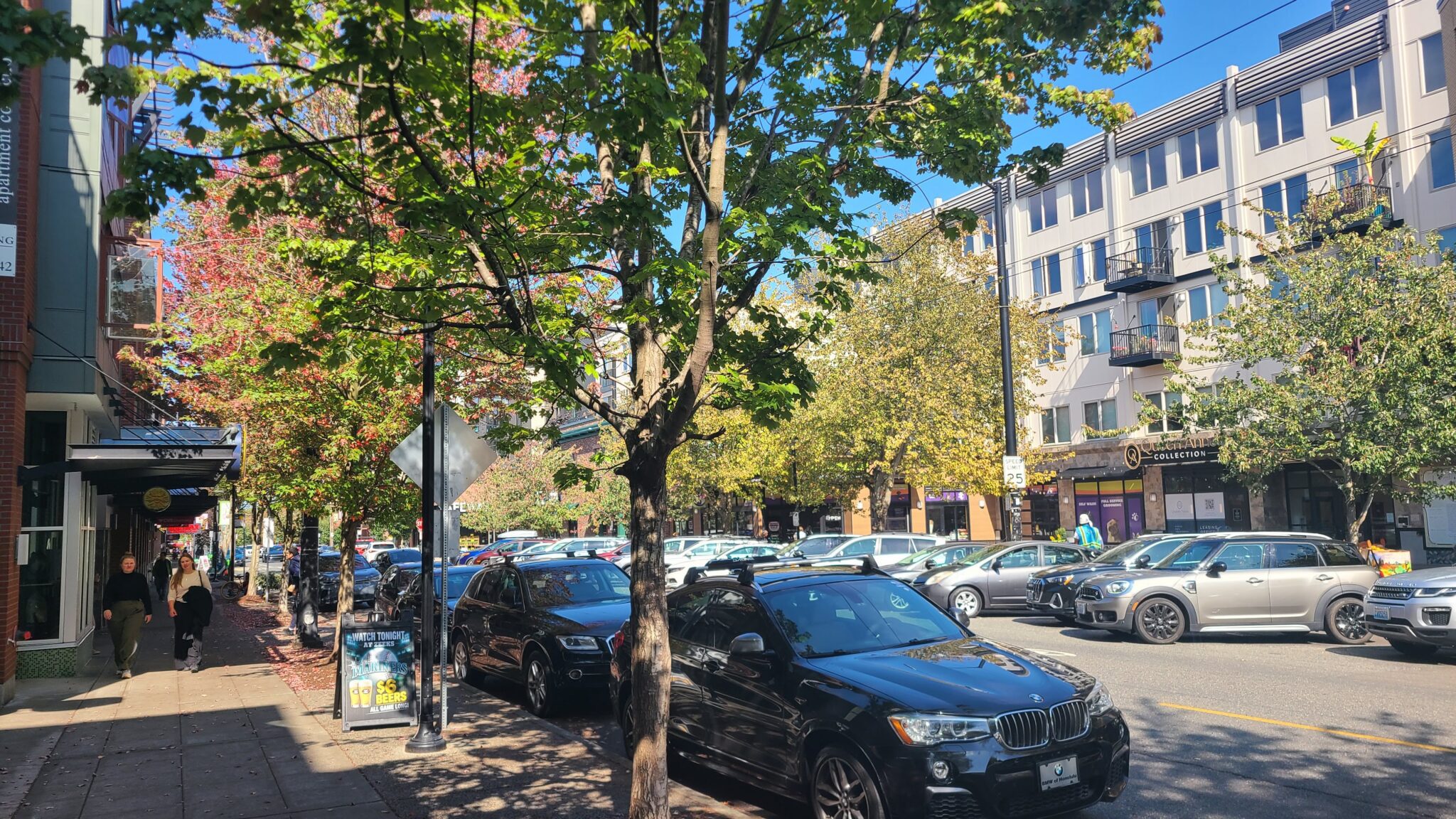
- Paid parking in the busiest parts of these two business districts to provide more reliable spaces for customers and visitors who drive
- Better load zones for deliveries, take-out, and quick pick-ups
- Designated bike & scooter share parking
- Additional parking spaces for people with disabilities
- Better visibility for people crossing the street with “intersection daylighting” features
- Improvements to pedestrian crossings nearby
The results we expect to see
The changes will support these business districts and the businesses that operate in them while getting the most out of our limited curb space. We manage parking using the basic principles of supply and demand, adjusting rates two to three times each year using data to better align rates with real-world usage and demand for parking.
This approach has been used effectively in the city of Seattle since 2010. When spaces turn over more often, new customers can more reliably find a spot near the business they’re going to visit.
By thoughtfully managing parking and creating a system where supply more closely meets demand, we see better results:
- Calmer streets
- Less circling the block
- Less long-term car storage
- More predictable streets for everyone
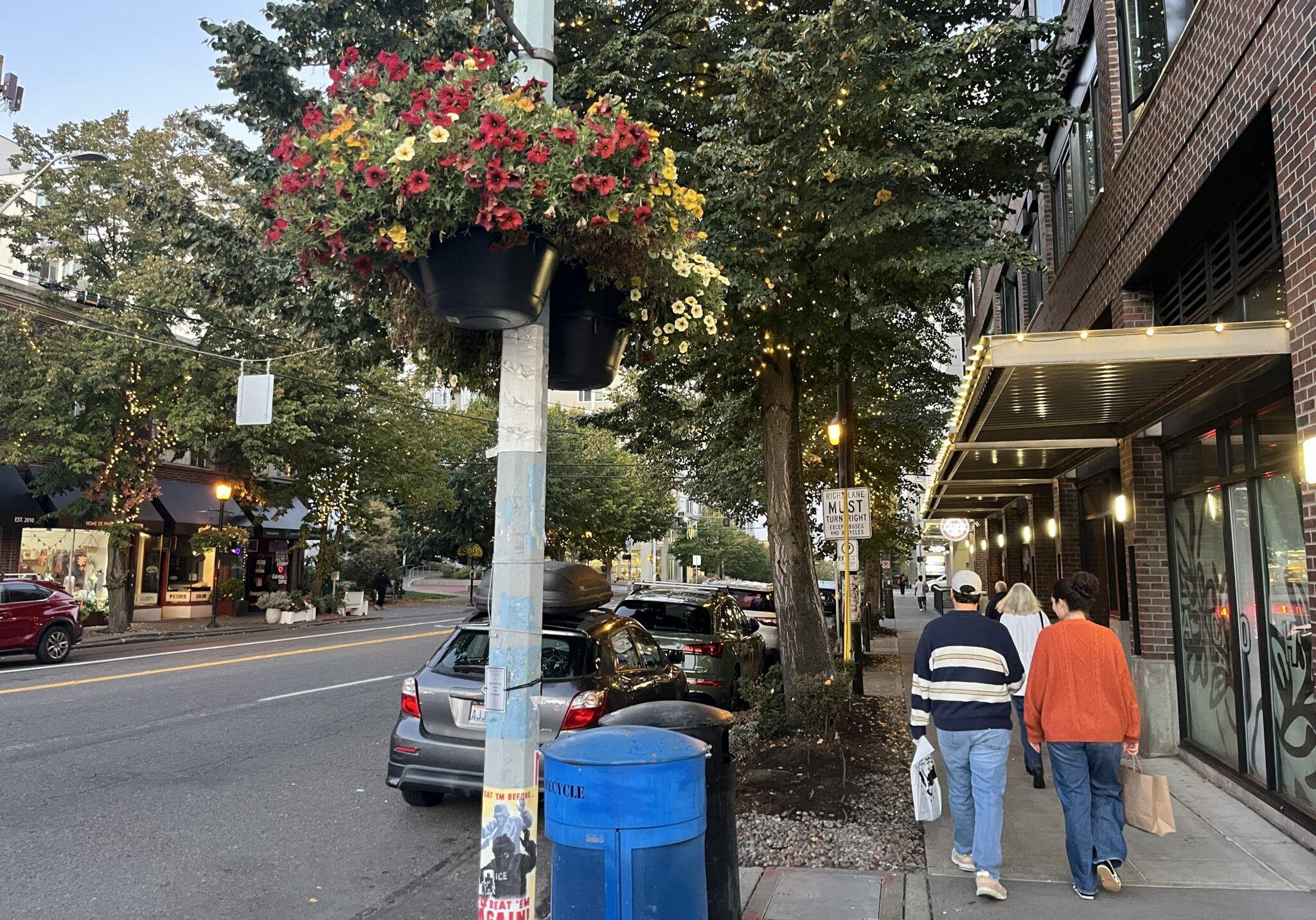
Adding more load zones for deliveries, takeout pickups, and quick visits cuts down on illegal double-parking, making it easier for you to get around. And by improving visibility at intersections and marking nearby crosswalks, we make these bustling business districts feel safer, more welcoming, and more connected, so you can enjoy them every time you stop by – no matter how you choose to travel.
What’s next
You can learn more and share your thoughts on these proposed changes by visiting our project web pages, which include more detailed maps and information:
This fall, we’ll continue to work with businesses and local organizations to refine the draft plans. We’ll finalize them in late 2026, and changes will be implemented in 2027.
Thank you for your interest in this topic as we continue to support our Seattle businesses and the neighborhoods they call home.
Legal Disclaimer:
EIN Presswire provides this news content "as is" without warranty of any kind. We do not accept any responsibility or liability for the accuracy, content, images, videos, licenses, completeness, legality, or reliability of the information contained in this article. If you have any complaints or copyright issues related to this article, kindly contact the author above.
